History

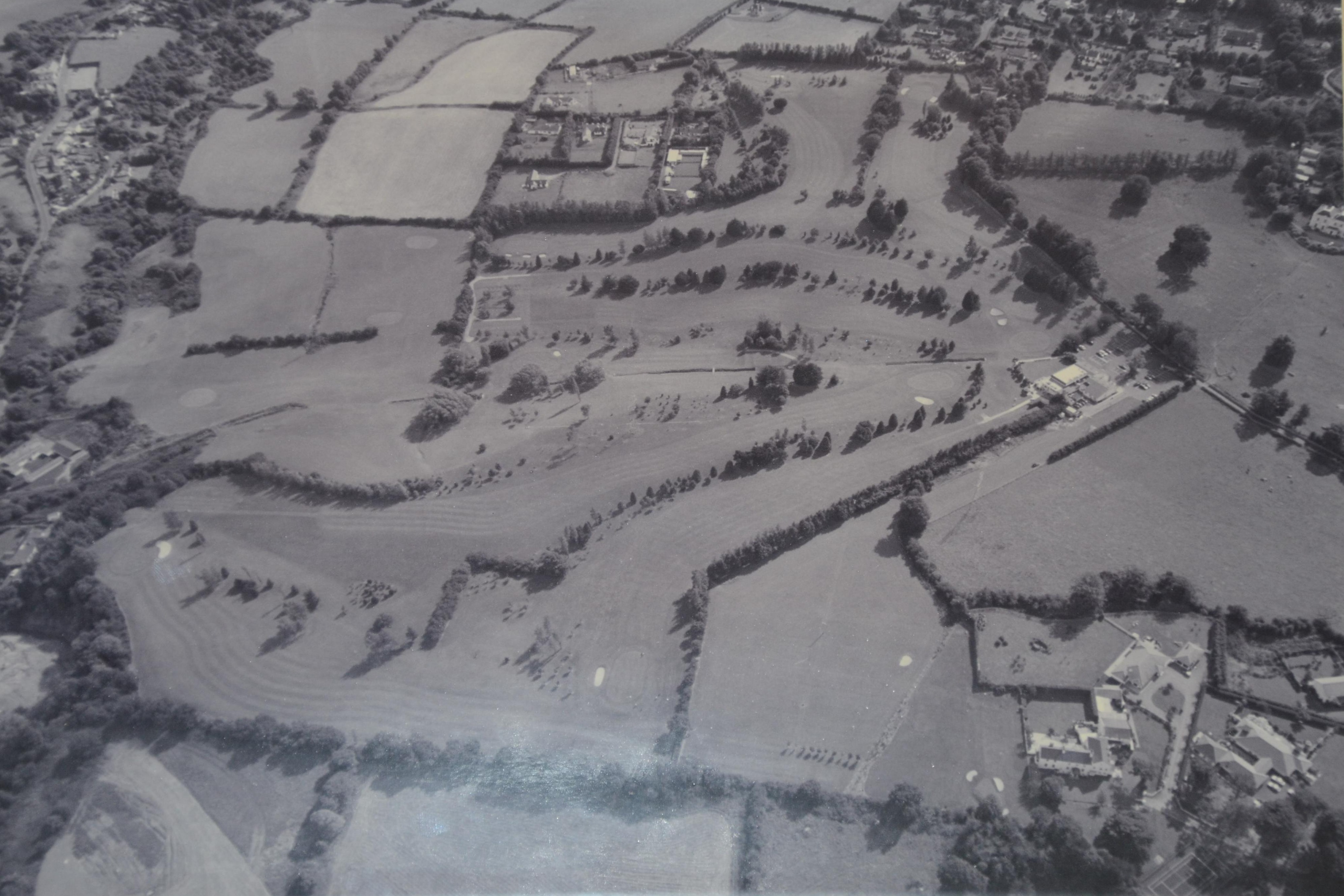
Butterfield House, currently the headquarters of the Irish Pharmaceutical Union, was the birthplace of Rathfarnham Golf Club. While there is some evidence that a golf course was started in 1896, the first official record is in 1899 when P.Y.Bogue, who had leased the house from John McEntaggart, a Dublin restaurateur, saw the potential of the 50 acres surrounding the house.
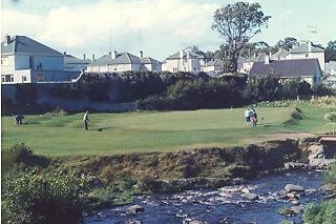
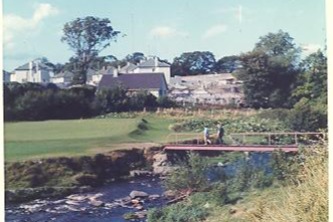
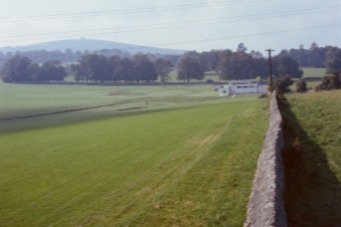
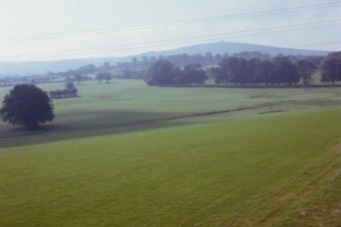
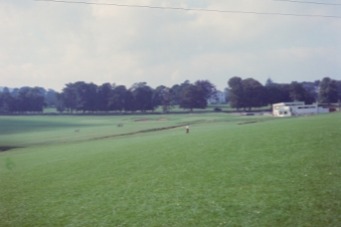
"New golf links have been established at Butterfield, Rathfarnham, the lands of which, containing about 50 acres, were duly surveyed by T.Hood, Professional of The Royal Dublin Golf Club, who indicated the best position for the greens and tees, and reports that a very pretty and sporting course, with nine holes to start with, had been secured. Mr. John Lumsden and other competent authorities also kindly inspected the grounds and were equally pleased with the new links. The temporary clubhouse is within five minutes walk of the Rathfarnham tram terminus, to which there will shortly be a frequent service of electric cars. The course lies along the banks of the Dodder and has beautiful views of the Dublin Mountains . It is well drained, having gravel subsoil and the turf for the most part is naturally short. There are numerous hazards formed by hedges, ravines, river courses and cliffs".
(Extract from the Irish Golfer September 6th 1899)
Play got underway in April 1899 and by the time of the first AGM there were 123 members, including a number of ladies. The Club was a proprietary one at this stage and was run by a Committee under the Presidency of Sir Frederick Shaw of Terenure.
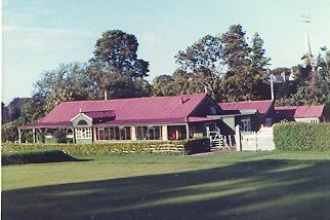
In November 1902, Patrick Bogue's lease of Butterfield House expired and the members took over the running of the Club. A new clubhouse was built and the Club prospered both socially and in golfing ability. In October 1908, Rathfarnham was beaten in the final of the Barton Cup by Carlow Golf Club. A conservative attitude was taken to the running of the Club in the first 20 years. Sunday golf was generally frowned upon but in 1914 a compromise was reached whereby it was deemed acceptable to play on a Sunday, but only without the assistance of a caddy.
Apart from the greens, it was left to grazing sheep to curb the growth of the grass and the Club had to settle a claim for £2 from the owner of Butterfield House that the sheep had eaten his cabbages! A replacement horse was purchased for £10 but the expense most likely to raise a few eyebrows today appeared in the 1920 accounts – “wages for women weeding green £8.18.2”.
"The course has, from time to time, been altered and in 1911 extensive alterations were made but the turning point in the history of the Club came a few years ago when additional land was secured to lengthen the course and bring it into line with modern requirements. To the late Mr. Cecil Barcroft, the Secretary of Royal Dublin , fell the task of planning the present course.
He certainly did his work well for he utilised every foot of ground amd made the most of the natural features of the land which indeed are many and varied. The Rathfarnham course is prettily situated and Mr. Barcroft did not lose sight of that fact when he set to work."
(Extract from The Irish Field February 27th 1926)
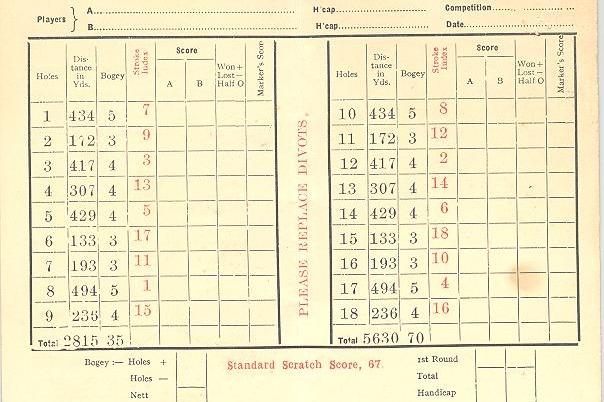
The revised course increased in length from 2185 yards to 2815 yards and was praised, not only for the quality of the holes but also for its scenic features. (The Par 5, 8th hole 494 yards which ran along the bank of the Dodder was considered to be one of the best inland holes in Dublin, according to Irish Golf February l956.)
Rathfarnham now entered into a settled period, which was interrupted by the Second World War. Membership remained strong and in the 1950s averaged around 150 men and 130 ladies. Golfing prowess increased significantly and Rathfarnham won the Leinster Junior Cup in 1954 and was beaten in the Barton Cup semi-final in 1955. 1962, however, was a peak year when the Club won The Irish Times Shield and the Barton Cup.
Sixty-seven years of playing golf in Butterfield came to an end in the 1960s. Butterfield was no longer viable due, not only to difficulties in renewing the lease, but also to future plans for road development and problems with the course perimeter. At the AGM in February 1964 the Members instructed the Committee to find an alternative location. After a great deal of work, approximately 60 acres were purchased in February 1965 at Stocking Lane in Newtown. The Club took on the mammoth task of developing a golf course from a green field site and, for the first time, had to borrow substantial sums of money. The course was designed by John Jacobs and included some excellent “dog leg” holes.
A heartening feature of this period was the support the Committee received from Members, coming as they did from a well-kept course to a primitive form of golf in the early days of Newtown . Money had to be raised from a Members' loan scheme that generated £13,000 (a large sum in the 60s) and the Committee was obliged to sell 4.5 acres of land for £6,000.
Following the move to Newtown in 1966, the Club has enjoyed a degree of success over the years, winning a number of external competitions.
In the 1980s improvements in the bar and kitchen areas of the clubhouse were carried out. Further land on the perimeter of the first fairway was purchased and a levy on Members to raise over £100,000 was deemed necessary. The policy of carefully monitoring budgets and building up a reserve paid off in 1984 when the Club was able to obtain approximately seven acres at the back of the present 14th green.
In 1991 a further 11 acres was acquired and, with a land bank of approximately 75 acres, members started to consider the possibility of 18 holes. Considerable activity took place in the 90s to improve clubhouse facilities and to set up a 12-holes course. The Centenary in 1999 added impetus to course enlargement and improvement. Five new holes were designed by Patrick Merrigan to give 14 holes for play. A course development committee continued to work towards an 18-holes course. During 2005/06 Jeff Howes, course designer, upgraded a number of existing holes and Rathfarnham Golf Club has had 15 holes in play since 2008. The Butterfield course was a fine course with scenic views and surrounded by the Dodder and Owendoher rivers – the Newtown course has a fine 15-holes course with beautiful views of the Dublin mountains and the Owendoher river running along the perimeter.
Members news updates

Members Tee Booking